
Key Takeaways:
Getting affordable Florida roof insurance coverage in 2026 depends heavily on the age and condition of your roof system. Florida homeowners can lower their costs by understanding ACV vs RCV roofing policies and qualifying for wind mitigation credits in Florida.
If your roof is under 15 years old or passes a professional roof inspection, you can protect your property insurance policy from being dropped in this tough insurance market.
_____________________________________________________________________________________________
The Storm in the Florida Insurance Market
The insurance market in Florida is tough right now. Insurance companies are changing the rules fast in 2026. If you own a home or manage an HOA in Tampa Bay, you already know about our wild weather. Our intense Florida humidity, coastal air damage, and heavy summer rains beat down on roofs every single day.
When you add high winds from hurricane season into the mix, each insurance company gets very nervous.
Many Florida homeowners are opening letters from their carriers only to find out they are getting dropped. Others see their homeowners’ insurance premiums double overnight.
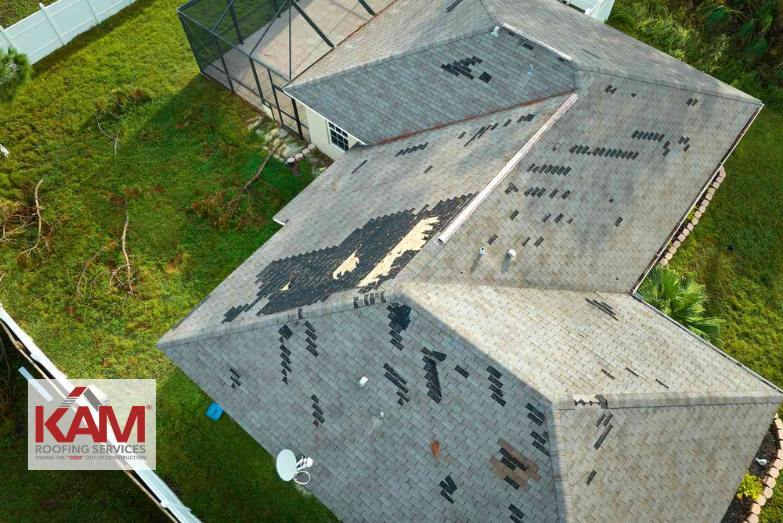
Why is this happening? It usually comes down to older roofs. Florida insurers view an old roof as a ticking time bomb. They do not want to pay for a full replacement after wind damage hits.
That is where we come in. At KAM Roofing Services, we believe in keeping the homeowner informed. We are a local roofing contractor serving the Tampa Bay area. We work with shingles, metal, tile, and flat roofing systems.
Maintaining open contact with your roofing expert is the best way to plan ahead. We want to help you understand how your roof drives your premium so you can save your hard-earned money.
ACV vs RCV Roofing: What Do They Mean?
When you look at your property insurance policy, you must check how your roof is covered. There are two main ways an insurance company pays for damage: Replacement Cost Value (RCV) and Actual Cash Value (ACV). Understanding ACV vs RCV roofing details will save you a lot of headaches after a storm.
Replacement Cost Value (RCV)
RCV is the gold standard for homeowners’ insurance. If a hurricane causes severe wind damage to your roof, the insurer pays the current market price to build a brand-new roof. They replace it with materials of a like kind and quality. You only pay your deductible.
Actual Cash Value (ACV)
ACV coverage is different. It is a depreciated payout. Think of it like a used car. The older your roof gets, the less value it has in the eyes of this property insurer group.
If your 15-year-old roof gets destroyed by high winds, an ACV policy will not buy you a new roof. The company will only pay what that old, used roof was worth right before the storm.
The 2026 Payout Gap
In 2026, this is a massive issue. Many insurance companies are quietly adding a Roof Surface ACV Endorsement to renewals. They do this for roofs that are older than 10 to 15 years. Even if the rest of your home has full RCV coverage, your roof might only have ACV coverage.
This leaves homeowners and HOAs with a giant payout gap. You could easily end up with a bill for $15,000 or more out of your own pocket to get a new roof after a storm.
The 2026 “15-Year Rule” Under Florida Law
Florida passed laws to help stabilize the market, including SB 808 and 2-A. These rules affect your 2026 renewals. You need to know your rights when dealing with your carrier.
The Under-15 Protection
Under current rules, Florida insurers cannot refuse to renew a policy solely because of roof age if the roof is less than 15 years old. This gives many neighbors some peace of mind.
The Inspection Exception
What happens if you have a roof that is 15 years or older? You now have a legal right to get a roof inspection. You can hire a licensed professional roofing contractor like KAM Roofing Services.
We look at the actual condition of your materials. If we prove the roof has at least 5 years of useful life left, the insurance company may be forced to maintain your coverage.
Watch Out for the Catch
There is still a catch. The law might stop them from dropping your policy completely, but it does not stop them from changing your coverage type. They might force you onto an ACV plan. This shifts the financial risk to you when the next big storm brings high winds.
For HOAs and Commercial Managers: The SIRS Mandate
If you manage a condo building or an HOA in Tampa Bay, the pressure is even higher. Property managers are currently scrambling to meet the strict deadlines for Structural Integrity Reserve Studies (SIRS).
Under Florida law, SB 4-D, condo boards can no longer waive financial reserves for roof replacements. You must save money for these big projects. There is a strong connection between these laws and your property insurance. Major carriers, including Citizens, now demand a completed SIRS and a Milestone Inspection before they will issue 2026 renewals.
If your SIRS report shows a failing roof, you will face fast action from insurers. They will either hand you an immediate non-renewal notice or hit you with astronomical premium hikes. Replacing an older roof on time keeps your building safe and keeps your policy active.
How to Lower Premiums: The Wind Mitigation Strategy
You do not have to sit back and accept these high prices. You can take action to get wind mitigation discounts. These mitigation discounts slash the wind portion of your premium by a lot. Here are four steps to secure wind mitigation credits in Florida.
1. Install a Secondary Water Barrier (SWR)
When it is time for a re-roof, ask your contractor about a Secondary Water Barrier. This is a special peel-and-stick underlayment applied directly to the wood deck. If high winds rip away your shingles or tiles, the SWR stops water from getting inside.
It protects against heavy summer rains and cuts down on indoor water damage. These mitigation features follow the modern building code and trigger great discounts.
2. Upgrade Your Roof-to-Wall Attachments
How is your roof attached to your home’s walls? Older homes often use simple nails or weak clips. Upgrading to heavy-duty clips or wraps during a roof replacement keeps your roof attached during a hurricane. This upgrade can lower the wind part of your bill by up to 25%.
3. Protect All Openings
Insurers look at opening protection across your whole house. This means impact-rated windows, storm shutters, and strong garage doors. If high winds blow through a weak garage door, pressure builds up inside the house and pushes the roof off from the inside. Strengthening your garage doors and windows works together with your roof to lower your overall risk.
4. Get a Wind Mitigation Inspection
Do not wait for your insurer to tell you your roof is a risk. Schedule a proactive wind mitigation inspection. A licensed inspector will fill out the official mitigation verification inspection form.
This uniform mitigation verification inspection documents all the safety features of your home. It provides the legal proof needed to save you money.
FAQs
Does a 15-year-old roof qualify for insurance in Florida in 2026?
Yes, but with specific conditions. Under Florida roof insurance 2026 regulations, an insurance company cannot deny coverage solely for age if the roof is under 15 years old. If it is older than 15, an inspector must certify it has at least 5 years of useful life remaining to prevent mandatory replacement or non-renewal.
What is a “Roof Surface ACV Endorsement”?
This is a policy rider where the insurer only pays the depreciated value for the roof surface, even if the rest of your home is covered for full replacement. In 2026, this is becoming the standard option for older asphalt shingle roofs to limit insurer payouts.
Can a new roof help an HOA avoid a “Special Assessment”?
Absolutely. By replacing an aging roof before the 2026 SIRS funding deadline, an HOA can lock in lower insurance rates. This allows the board to spread the cost over a planned budget rather than hitting owners with a sudden, emergency assessment.
What does a uniform mitigation verification inspection look for?
This wind mitigation inspection checks how well your home resists storm damage. The inspector looks at the roof shape, the roof deck attachment spacing, the roof-to-wall connections like clips or straps, the presence of a secondary water barrier, and the strength of your windows and doors.
How much can wind mitigation features save you money on premiums?
Qualifying for maximum mitigation discounts can reduce the wind portion of your homeowners’ insurance premium by up to 25% or more. For many families in Florida, this adds up to hundreds or thousands of dollars in annual savings.
Request An Estimate Today
Are you worried about your upcoming insurance renewal? Do you want to see if your roof can qualify for better rates? Do not let the changing market catch you off guard. At KAM Roofing Services, we are here to give you straight answers.
Our team helps Tampa Bay homeowners and property managers get the facts about their roofs. We focus on transparency, reliable operations, and “Taking the ‘Con’ out of Construction.”
Contact us today to schedule a professional roof inspection or to discuss your wind mitigation options.
2 replies on “Florida Roof Insurance 2026: How Does Your Roof Impact Your Premium?”
[…] points that need to remain properly sealed and protected, necessitating regular maintenance. In coastal settings, those details matter even more. Exposed hardware can weather faster than concealed clip systems, […]
[…] notes about its current condition. This documentation will be invaluable if you need to file an insurance claim after a storm. Store your records in a safe, easily accessible place so you can act quickly if […]